Do You Think Losing Weight Means Eating Less and Less? ❤️
For a long time, I honestly believed that was the only way.
If the number on the scale didn’t change, I thought I needed to cut out another food.
Make my portions even smaller.
Or skip a meal altogether.
But do you know what usually happened?
I could stick with it for a few days.
Then the hunger would hit.
The cravings would get stronger.
And I’d end up feeling frustrated, convinced I’d failed again.
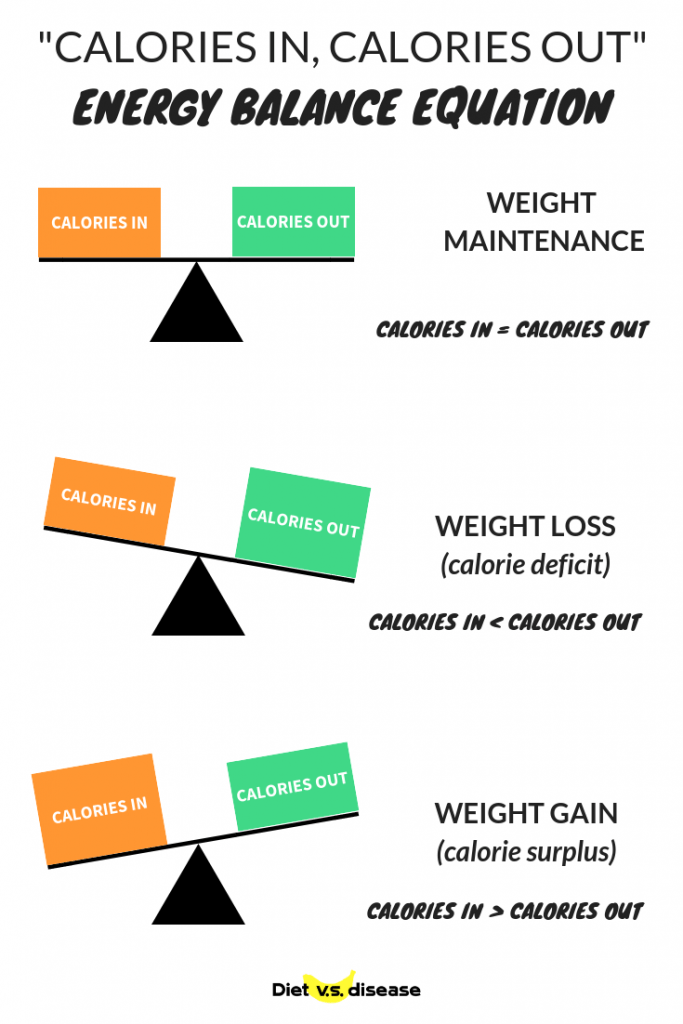
Everything started to make more sense once I finally understood what a calorie deficit actually is.
And honestly…
I wish someone had explained it to me years earlier.
So, What Is a Calorie Deficit?
It sounds like a complicated term, but the idea is actually very simple.
Every single day, your body uses energy to keep your heart beating, your lungs breathing, and to power everything you do—from walking around the house to working, cooking, and taking care of your family.
That energy comes from the food you eat.
When, over time, you consistently take in a little less energy than your body uses, you create what’s called a calorie deficit.
That’s what can support gradual, healthy weight loss.
There’s no magic.
No secret trick.
It’s simply how the body works.
Think of It This Way
Imagine your body’s energy like a simple budget.
If you regularly spend a little more energy than you bring in through food, your body gradually begins using some of its stored energy.
That process happens little by little.
Which is exactly why healthy weight loss usually takes time.
And honestly, that’s completely normal.
Eating Less Doesn’t Mean Feeling Hungry All the Time
This was probably the biggest surprise for me.
For years, I thought losing weight meant constantly feeling hungry.
Now I know those two things don’t have to go together.
When eating becomes too restrictive, it’s much harder to stay consistent.
You feel hungrier.
Your energy drops.
And before you know it, you’re tempted to overeat just to make up for it.
That’s why the goal isn’t to eat as little as possible.
The goal is to find an approach you can actually enjoy and maintain.
How Can You Create a Healthy Calorie Deficit? 🌱
The good news is that small changes really do add up.
Instead of completely changing the way you eat overnight, try making a few simple adjustments.
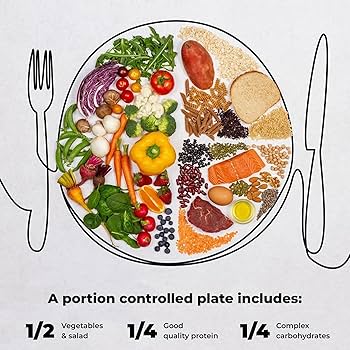
Serve slightly smaller portions.
Add more fruits and vegetables to your meals.
Choose protein-rich foods more often.
Gradually cut back on highly processed foods.
No strict rules.
No extreme diets.
Just small, realistic improvements.
Movement Is Part of the Picture Too
Weight loss isn’t only about what’s on your plate.
Moving your body throughout the day also increases the amount of energy you use.
That might look like:
A walk around the neighborhood.
Taking the stairs instead of the elevator.
Playing with your kids or grandkids.
Doing a little gardening.
It doesn’t have to be a formal workout.
It simply helps to move a little more whenever you can.
Choose Foods That Keep You Full Longer ❤️
One of the biggest changes I made was paying attention to which foods actually kept me satisfied.
Protein-rich foods like eggs, chicken, fish, and Greek yogurt.
Fiber-rich foods like fruits, vegetables, beans, and whole grains.
Healthy fats like avocado, olive oil, and nuts.
Balanced meals help you stay full longer, making it much easier to manage hunger naturally.
Do You Have to Count Calories?
Not necessarily.
For some people, tracking calories can be a helpful tool.
For others, it creates more stress than support.
If you’re just getting started, it may be more helpful to focus on eating nourishing foods, paying attention to your hunger, and building consistent habits.
Those simple changes alone can make a meaningful difference.
Movement Is Part of the Picture Too
Weight loss isn’t only about what’s on your plate.
Moving your body throughout the day also increases the amount of energy you use.
That might look like:
A walk around the neighborhood.
Taking the stairs instead of the elevator.
Playing with your kids or grandkids.
Doing a little gardening.
It doesn’t have to be a formal workout.
It simply helps to move a little more whenever you can.
Choose Foods That Keep You Full Longer ❤️
One of the biggest changes I made was paying attention to which foods actually kept me satisfied.
Protein-rich foods like eggs, chicken, fish, and Greek yogurt.
Fiber-rich foods like fruits, vegetables, beans, and whole grains.
Healthy fats like avocado, olive oil, and nuts.
Balanced meals help you stay full longer, making it much easier to manage hunger naturally.
Do You Have to Count Calories?
Not necessarily.
For some people, tracking calories can be a helpful tool.
For others, it creates more stress than support.
If you’re just getting started, it may be more helpful to focus on eating nourishing foods, paying attention to your hunger, and building consistent habits.
Those simple changes alone can make a meaningful difference.

Ju’s Secrets
Like I said before, to stay in a calorie deficit, you need to burn more than you consume, so why not get a little help to burn more fat by boosting your metabolism and making it easier for your body to stay in a deficit?
I’ve mentioned this favorite of mine before, and I don’t get tired of talking about it, because it really helped me reach my goals. And good tips are meant to be shared. I’m talking about CitrusBurn, which boosts metabolism and helps increase calorie burn, bringing results faster.
Want to know more? I’ve included my full review below, along with the supplier’s official website so you can purchase it from a secure source.